Watch Safes
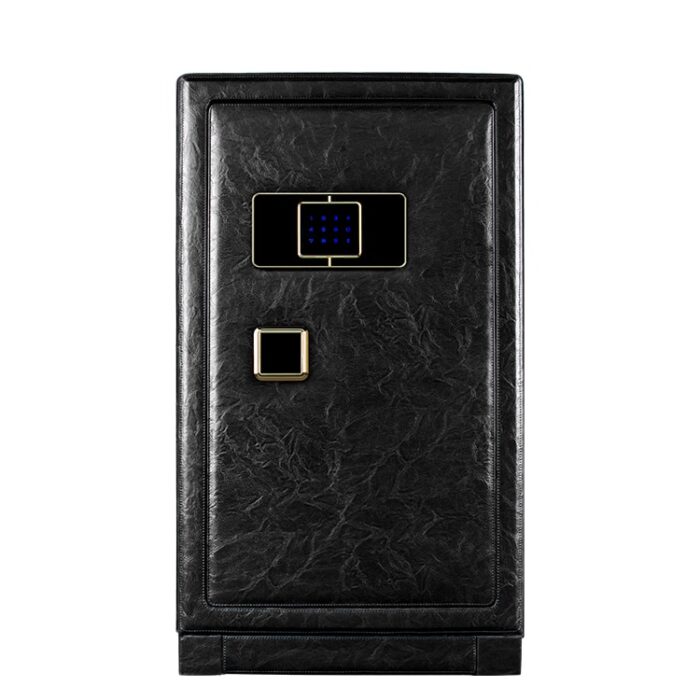
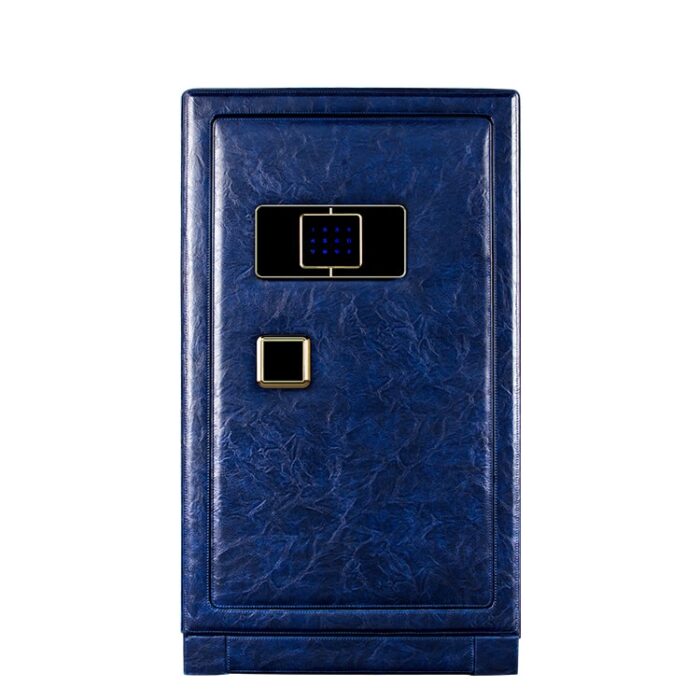
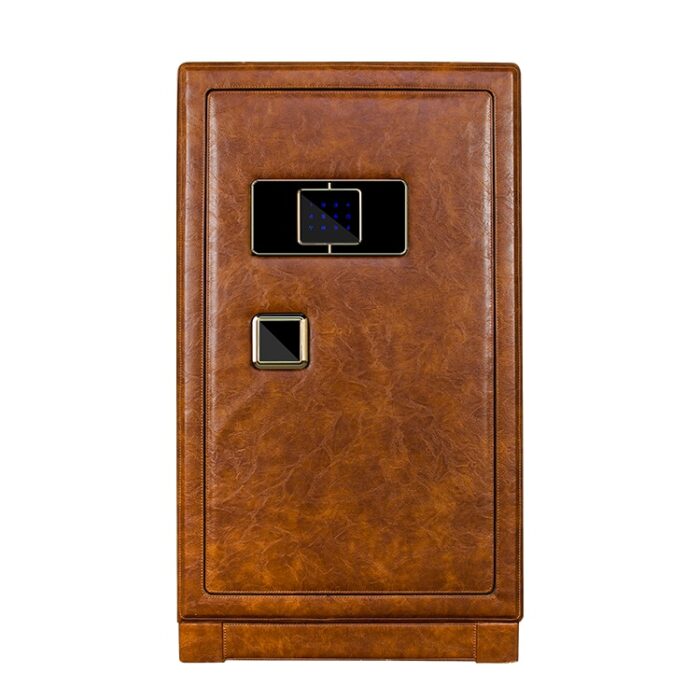
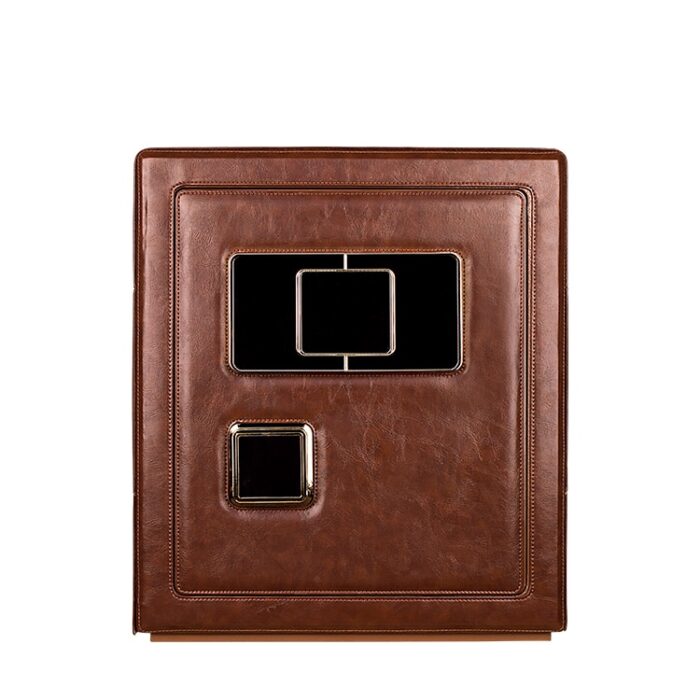
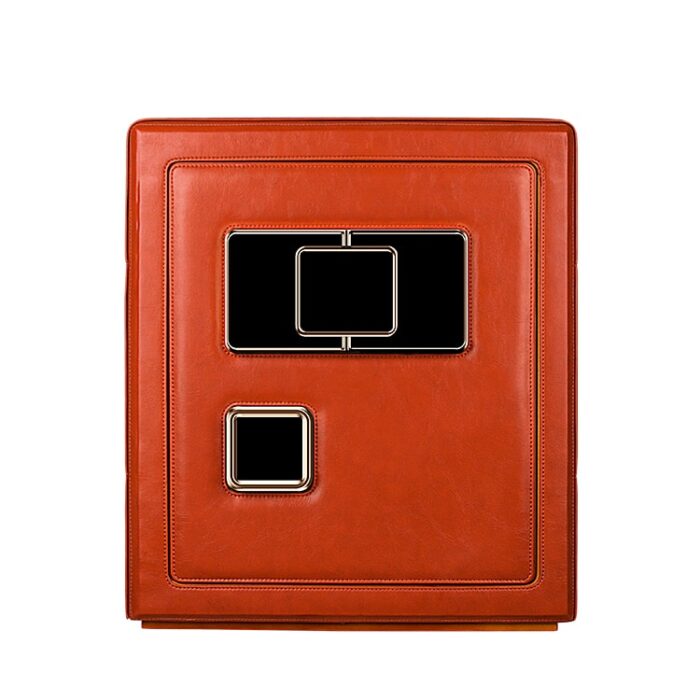
A steel body, a digital lock, and winding modules that keep running on their programme with the door shut. Drawers below for the watches that are resting.
See the 21 models

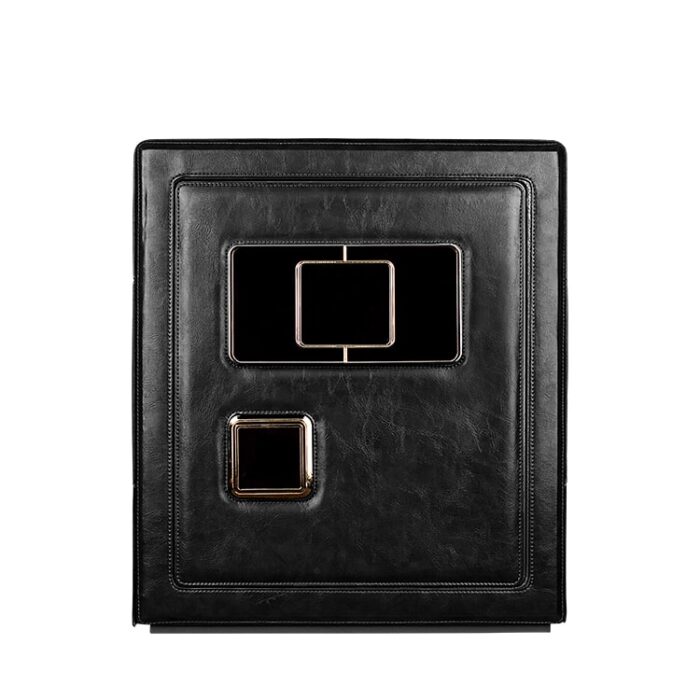
The door · five bolts, digital lockInside · twenty-four rotors and five drawers
Winding modules inside a steel body with a digital lock. The rotors run on their programme with the door closed, so the collection is both secure and ready to wear.
These are secure domestic safes rather than certified cash-rated units. If your insurer requires a particular security rating, confirm the requirement with them before ordering. Interior fit-out varies: some hold rotors only, others combine rotors with drawers and static positions for jewellery and documents.
All models are heavy and are delivered by carrier. Bolting a safe down is the buyer's responsibility.
Products in this range





Questions about watch Safes
Is a watch safe insurance-rated?
These are secure domestic safes, not certified cash-rated units. If your insurer requires a specific rating, confirm the requirement with them before ordering. [NEEDED — Jesse: confirm whether any model carries a formal security rating.]
Do the winder modules run while the safe is locked?
Yes. The winding modules are powered inside the body and continue on their programme with the door closed.
Does a watch winder damage an automatic watch?
No. A winder turns the rotor the same way your wrist does, and a correctly set winder turns it less than a day of ordinary wear. Damage comes from over-winding a watch without a slipping mainspring clutch, which almost all modern automatics have, or from a winder that runs continuously in one direction at high speed. Set the turns per day to the figure the manufacturer publishes and the movement is doing nothing it was not built to do.
How many turns per day should I set?
Most modern automatics settle between 650 and 900 turns per day. The safe approach is to look up your calibre, set the winder to the published figure, and check the watch against a reference clock after two days. Our turns-per-day guide lists the common figures by brand.
Which direction should the winder turn?
It depends on the movement. Many Rolex calibres wind in both directions, most Omega calibres wind bi-directionally, and several Seiko and older ETA movements wind in one direction only. Bi-directional is the sensible default when you do not know: it covers both cases without over-turning.
Not sure which capacity to buy?
The settings guide covers turns per day and direction by brand, and the questions page covers the rest.