Single Watch Winders
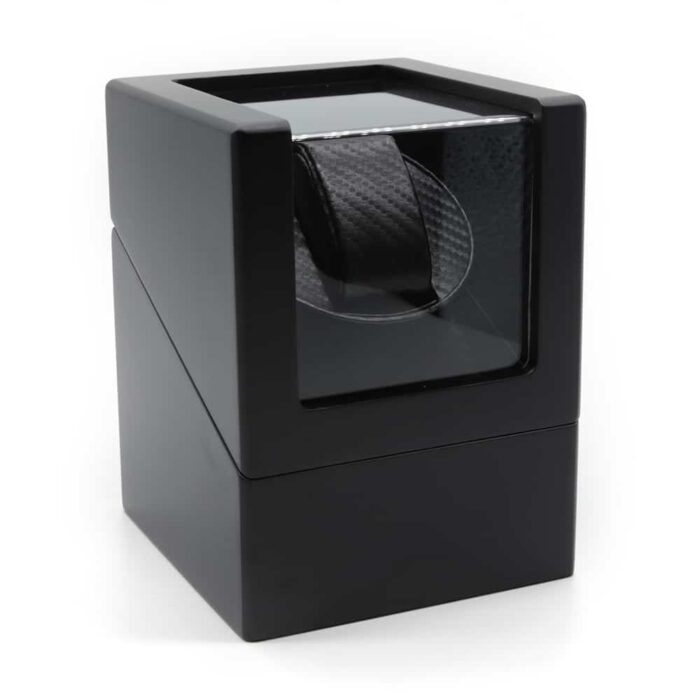
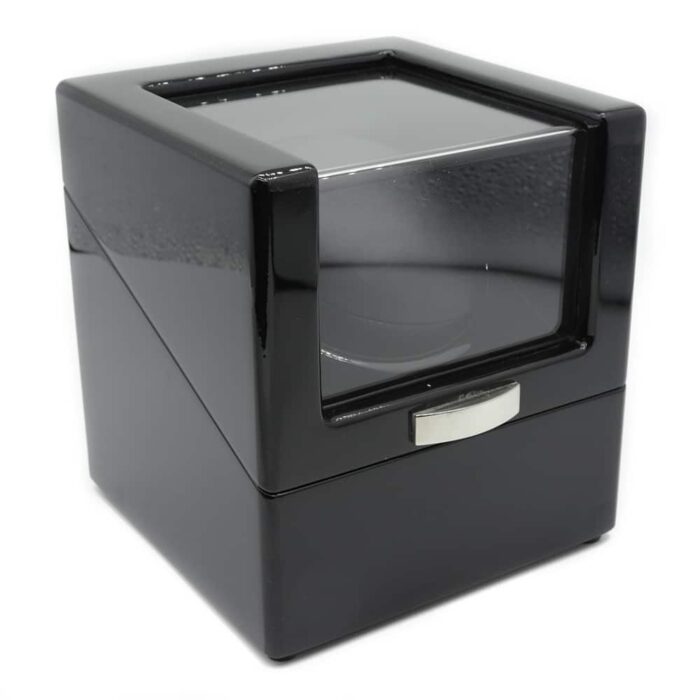
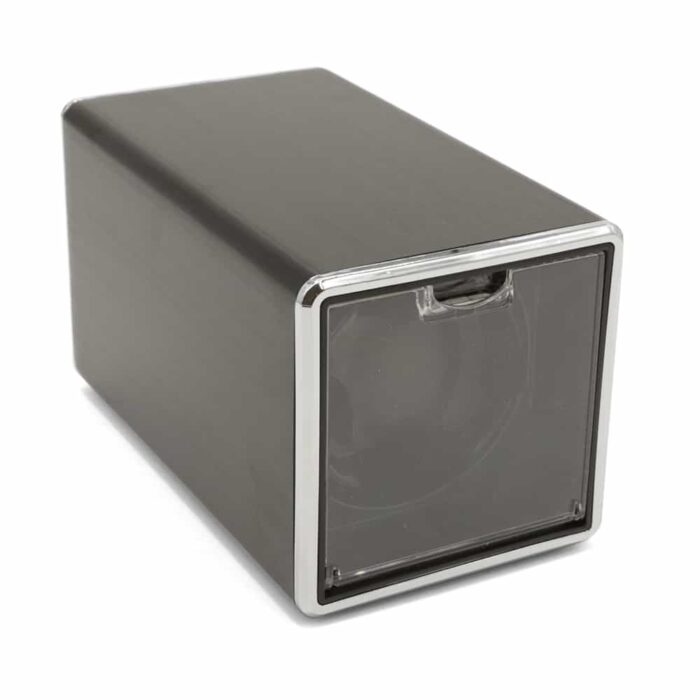
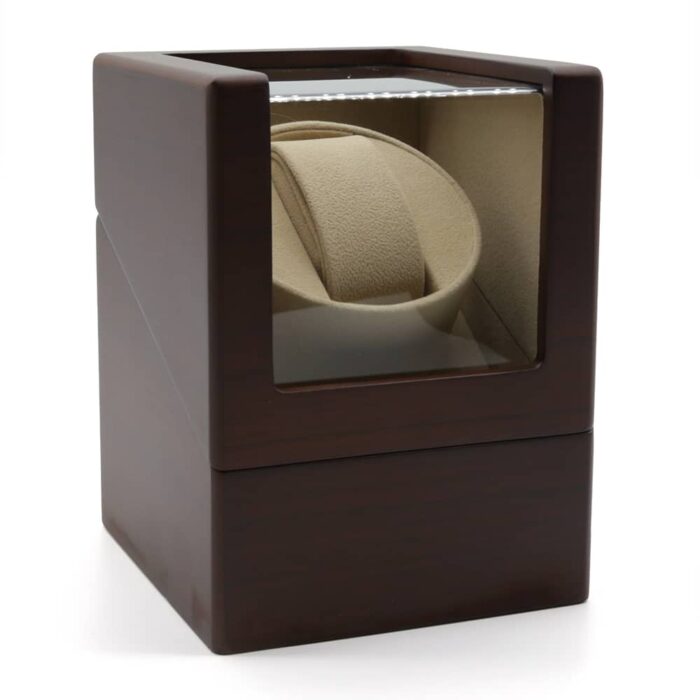
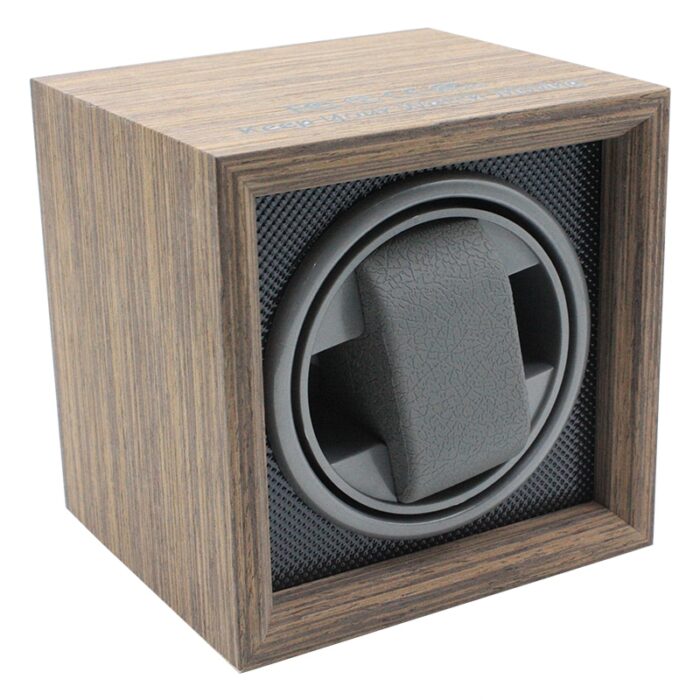
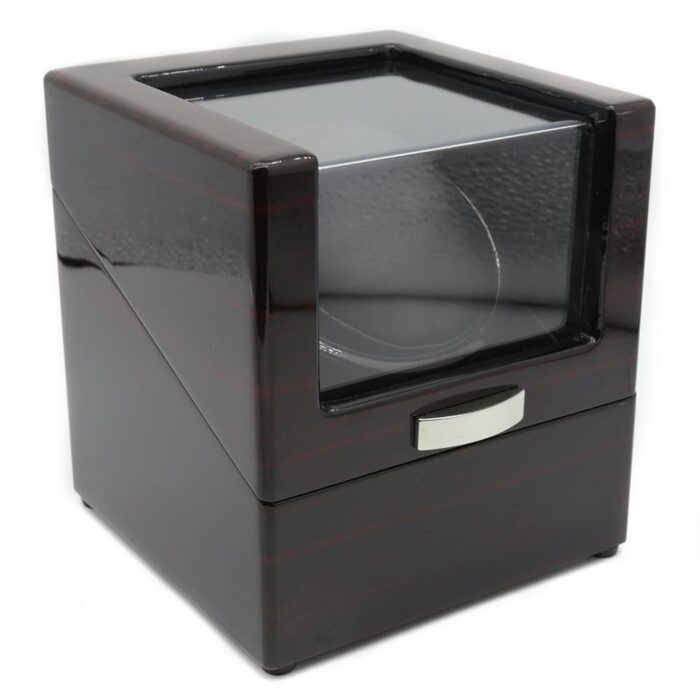
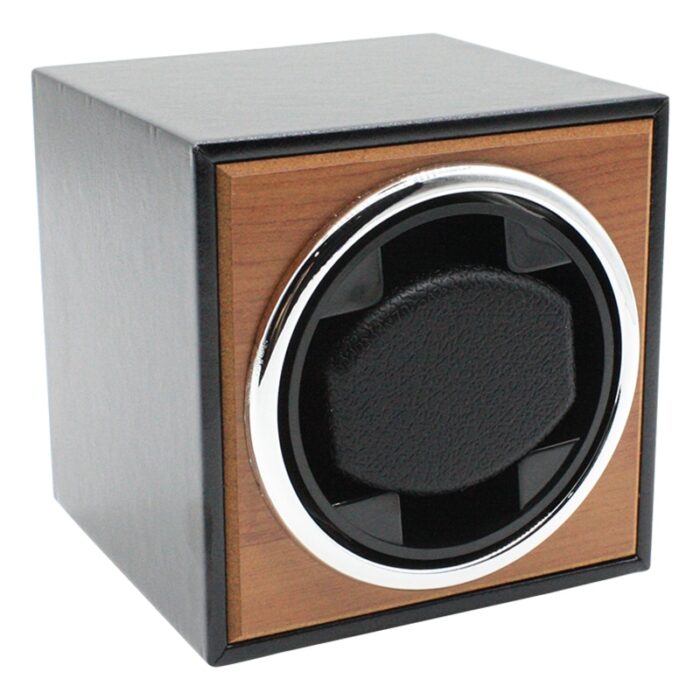
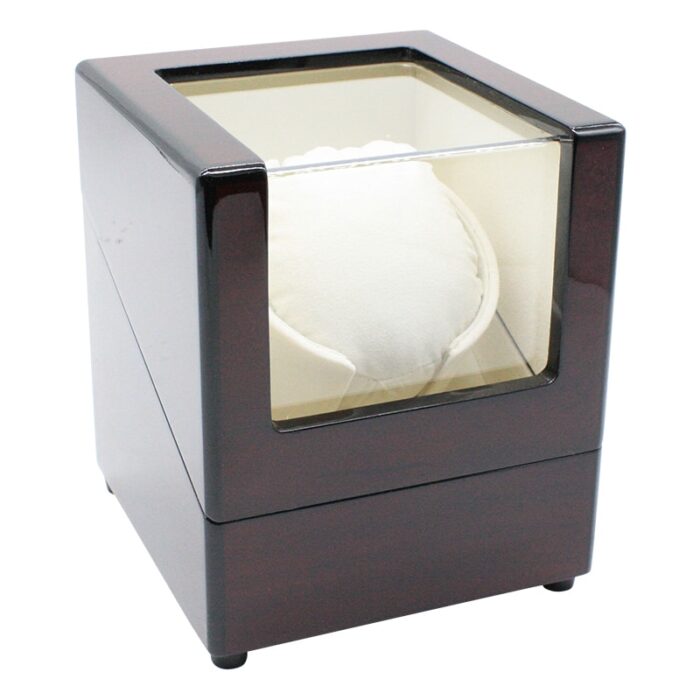
One rotor, for the automatic you wear most days. A single winder is the sensible first purchase: it keeps the watch you reach for wound and on the right date, and it costs a fraction of a cabinet.
Most of these models are small enough for a bedside table or a drawer, and several will run on batteries as well as a mains adaptor, which matters if the winder is going to live inside a safe where there is no power point. Every one of them lets you set the direction of rotation, and most offer a choice of turns per day, so a Seiko that only winds one way and a Rolex that winds both are equally well served.
If you wear two automatics in rotation, look at the two-watch models instead — a second rotor costs less than buying a second single winder later.
Products in this range
-
Out of stock
-
-
Out of stock
-
Out of stock
-
Out of stock

-
-
Out of stock
-
Out of stock
-
-
Out of stock

-


Questions about single Watch Winders
Is one rotor enough if I own three watches?
It is, if you wear one of them most days and are content to set the others by hand. A single winder keeps the watch you reach for ready to wear. If you rotate through several watches each week, two or four rotors saves the resetting.
Will a single winder fit in a safe?
Most of the single models here are under 15 cm on their longest side and several run on batteries, so they will sit inside a home safe without a cable. Check the dimensions on the product page against the internal measurement of your safe.
Does a watch winder damage an automatic watch?
No. A winder turns the rotor the same way your wrist does, and a correctly set winder turns it less than a day of ordinary wear. Damage comes from over-winding a watch without a slipping mainspring clutch, which almost all modern automatics have, or from a winder that runs continuously in one direction at high speed. Set the turns per day to the figure the manufacturer publishes and the movement is doing nothing it was not built to do.
How many turns per day should I set?
Most modern automatics settle between 650 and 900 turns per day. The safe approach is to look up your calibre, set the winder to the published figure, and check the watch against a reference clock after two days. Our turns-per-day guide lists the common figures by brand.
Which direction should the winder turn?
It depends on the movement. Many Rolex calibres wind in both directions, most Omega calibres wind bi-directionally, and several Seiko and older ETA movements wind in one direction only. Bi-directional is the sensible default when you do not know: it covers both cases without over-turning.
Not sure which capacity to buy?
The settings guide covers turns per day and direction by brand, and the questions page covers the rest.